


FDA Drug Compliance
We Assist Drug Manufacturers and Other Companies with All Aspects of FDA Compliance
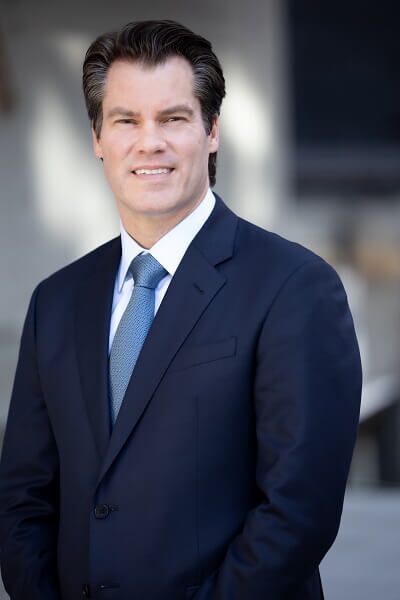
FDA Drug Compliance Team Lead

FDA Drug Compliance Team Lead
Former DOJ Attorney

FDA Drug Compliance Team Lead
Former Senior DOJ Trial Attorney
Drug manufacturers and other companies involved in the U.S. pharmaceutical industry are subject to the oversight of the U.S. Food and Drug Administration (FDA). The FDA has implemented extensive regulations governing the drug industry under the Food, Drug, and Cosmetic Act (FD&C Act), and companies involved in all segments of the industry must ensure that they are taking adequate steps to comply.The FDA is responsible for protecting public health in the areas of safety, efficacy, and security of human and veterinary drugs, biologics, medical devices,
We provide comprehensive FDA drug compliance services to pharmaceutical manufacturers and other companies in the U.S. and abroad. Our lawyers and FDA compliance consultants have extensive experience working with clients in the pharmaceutical industry, and we are intimately familiar with the challenges that pharmaceutical manufacturers and other companies face when on the search to establish and maintain compliance in the name of public health. We provide custom-tailored FDA drug compliance solutions to our clients, and we represent our clients in interactions with the FDA when necessary.
Our FDA Compliance Services for Drug Companies
Whether your company needs help bringing its FDA drug compliance program up to date, is facing a specific drug-related FDA compliance issue, or needs to build a comprehensive FDA drug compliance program from the ground up, we can provide the tools, resources, and insights you need to move forward with confidence. Our FDA compliance services for pharmaceutical manufacturers and other companies in the drug industry include:
Current Good Manufacturing Practice (CGMP) Compliance
As the FDA plainly states, “It is the industry’s responsibility to comply with the law regarding drug safety and quality.” Along with the FD&C Act and various other federal laws and regulations, companies in the pharmaceutical industry must also comply with the FDA’s Current Good Manufacturing Practices (CGMP). As the FDA also explains:
“[The] FDA ensures the quality of drug products by carefully monitoring drug manufacturers’ compliance with its Current Good Manufacturing Practice (CGMP) regulations. The CGMP regulations for drugs contain minimum requirements for the methods, facilities, and controls used in manufacturing, processing, and packing of a drug product. . . .
“The approval process for new and generic drug marketing applications includes a review of the manufacturer’s compliance with the CGMP. . . .”
The CGMP regulations are complex, and implementing effective compliance mechanisms requires a practical, detail-oriented, and comprehensive approach. Our lawyers and consultants are intimately familiar with the CGMP, and we rely on this familiarity to help our drug industry clients develop manufacturing processes, quality control procedures, and other practices that are fully CGMP-compliant.
FDA Drug Approval Applications
Many types of drugs may only be marketed in the U.S. with the FDA’s approval. The FDA’s drug approval process is long and complex, and companies applying for FDA approval must be able to clearly demonstrate compliance with the FD&C Act, CGMP, and all other pertinent federal laws and regulations. Applicants must open up their facilities to the FDA for inspections, and they must be prepared to affirmatively and conclusively demonstrate that their tests and data accurately demonstrate the safety and efficacy of their drug products.
We guide drug manufacturers through the FDA approval process for prescription drugs, generic drugs, and other “application products.” Here, too, we have extensive experience helping clients establish compliance and communicating with the FDA on their behalf. Since failing to secure FDA approval can lead to costly delays, it is critical that drug companies do everything necessary to secure the FDA’s approval the first time around.
Drug Labeling Compliance
Drug labeling compliance is an enforcement priority for the FDA, as the FDA, healthcare providers, and patients all rely heavily on accurate labeling to understand the risks associated with both approved and unapproved drugs. Manufacturers, repackers, relabelers, and other companies must all ensure that the labels they affix to prescription drugs and other medications meet all applicable federal requirements—which is much easier said than done. Our lawyers assist companies with developing their drug labels, review draft labels before they go to market, and assist with updating existing labels (including drafting Changes Being Effected (CBE) labeling supplements) as necessary.
Post-Marketing Compliance
Drug companies’ compliance obligations do not end once they’ve secured FDA approval and brought a drug to market. In fact, in many respects, this is just the beginning of the FDA drug compliance process. We assist our clients with all aspects of post-marketing compliance as well, from drug labeling compliance to post-market studies and clinical trials.
Marketing Over-the-Counter (OTC) and Compounded Drugs
Drugs that are not subject to FDA approval—including over-the-counter (OTC) and compounded drugs—are still subject to extensive requirements, restrictions, and prohibitions. We have significant experience assisting clients with OTC and compounded drug compliance as well. If your company is preparing to bring a “non-application product” to market, we can guide you step-by-step through the FDA compliance process.
FDA Compliance Inspections and Reviews
From the pre-market application process to post-market surveillance, the FDA conducts compliance inspections and reviews at all stages of the drug lifecycle. We help our clients get ready to affirmatively demonstrate compliance to the FDA, and we work directly with the FDA on behalf of our clients to help ensure that the inspection and review processes proceed as efficiently and favorably as possible.
OPDP and Bad Ad Program Compliance
The FDA’s Office of Prescription Drug Promotion (OPDP) conducts market surveillance to ensure that drug companies are advertising and promoting their products in compliance with the law. As part of these efforts, it contacts companies under its Bad Ad Program when it has reason to believe that a company’s ads are false or misleading. If the OPDP has contacted your company, we can assess whether the ads in question are compliant and then advise and represent your company accordingly.
Voluntary Disclosures, Recalls, and Other Actions
Pharmaceutical manufacturers and other drug companies may need to make voluntary disclosures, institute recalls, and take other voluntary actions in various circumstances. When necessary, taking these steps promptly—and carefully—can significantly mitigate the risk of any civil (or criminal) exposure. We help companies in all segments of the drug industry deal with challenging situations, taking a strategic and forward-thinking approach focused on avoiding unnecessary consequences and maintaining a good working relationship with the FDA.
Responding to Warning Letters, Notice of Violation Letters, and Recall Notifications from the FDA
Along with proactive FDA drug compliance, we also represent pharmaceutical manufacturers and other drug companies in response to direct inquiries from the FDA. If your company has received a warning letter, notice of violation letter, recall notification, or any other enforcement-related request or inquiry from the FDA, it will be critical to take appropriate responsive action promptly.
These can be very delicate situations. While a response is generally required, companies must avoid unnecessarily disclosing too much information to the FDA or altering course when no remedial action is necessary (and when making changes could potentially do more harm than good). When our clients are facing FDA scrutiny, we help them make informed and strategic decisions, and we work quickly to minimize any potential exposure.
Put our highly experienced team on your side

Dr. Nick Oberheiden
Founder
Attorney-at-Law
Lynette S. Byrd
Former DOJ Trial Attorney
Partner

Brian J. Kuester
Former U.S. Attorney
Hon. Kevin McCarthy
55th Speaker, U.S. House of Representatives (ret.)
Government Consultant
Mike Pompeo
Of Counsel
Former U.S. Secretary of State
John W. Sellers
Former Senior DOJ Trial Attorney
Linda Julin McNamara
Federal Appeals Attorney

Nicholas B. Johnson
Former Prosecutor
Roger Bach
Former Special Agent (DOJ)

Chris J. Quick
Former Special Agent (FBI & IRS-CI)
Michael S. Koslow
Former Supervisory Special Agent (DOD-OIG)
Ray Yuen
Former Supervisory Special Agent (FBI)
FAQs: What Drug Manufacturers and Other Companies Need to Know About FDA Compliance
How Can Drug Companies Effectively Manage FDA Compliance?
For drug companies, managing FDA compliance is a time-intensive and resource-intensive process. Drug companies need to have comprehensive FDA compliance policies and procedures, and they must have a compliance officer who understands and can effectively implement these policies and procedures on an ongoing basis. Drug companies must also continuously monitor for updates, as the FDA regularly issues new regulations, policies, and guidance documents focused on the drug industry.
When Are New Drugs Subject to FDA Pre-Market Approval?
Prescription drugs are generally subject to the FDA’s pre-market application process, while OTC and compounded drugs are not. However, there are exceptions, and drug companies must be certain that they are taking all necessary steps to establish and maintain FDA compliance.
How Long Does the FDA Drug Approval Process Take?
While the duration of the FDA drug approval process varies, in most cases companies can expect to receive an initial approval or denial in about six months. However, mistakes and oversights during the process can extend this timeline significantly.
What Are the Risks of FDA Non-Compliance for Drug Companies?
The risks of FDA non-compliance for drug companies range from denial of pre-market applications and mandatory recalls to civil or criminal enforcement action. The FDA takes drug compliance extremely seriously, and it does not hesitate to take enforcement action when warranted.
Does the FDA Regulate Drug Companies Overseas?
The FDA regulates overseas drug companies that supply medications and other drugs to the United States. Companies in the U.S. and abroad must ensure that all drugs, labels, and advertising they introduce into the American market strictly comply with all pertinent federal requirements.
Schedule a Complimentary Consultation with an FDA Drug Compliance Lawyer Today
Our FDA drug compliance lawyers represent companies in the U.S. and abroad. If you need to know more about FDA compliance for pharmaceutical manufacturers and other companies in the drug industry, we invite you to get in touch. Please call 888-680-1745 or contact us online to schedule a complimentary consultation.
