

















US Lawyers Representing Americans Arrested in Libya
Families dealing with a us citizen arrested in Libya situation need a clear plan. Libya presents a different kind of emergency when an arrest occurs. A major reason is that the first problem may be finding a reliable path to information. A family may not know whether the person is being held by police, immigration officials, a militia-linked group, a local security force, or another authority. The person may be in Tripoli, Benghazi, Misrata, Sabha, a port, a checkpoint, an oilfield, or a remote road where communication is weak.
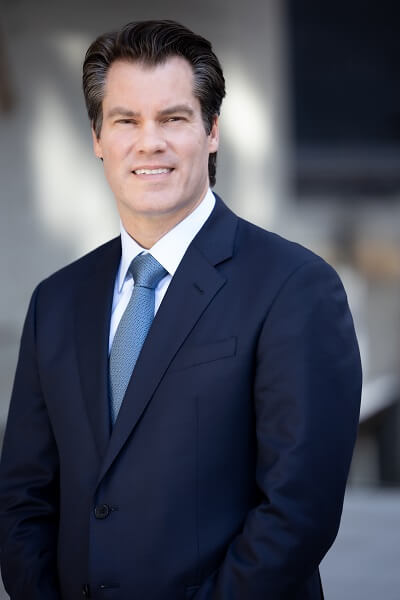
Attorney Nick Oberheiden
International Litigation Team Lead
At Oberheiden, P.C., our international defense attorneys can take swift action on the United States-side with loved ones when the local picture in Libya is unclear and changing.
Libya Cases Often Begin With Who Has Control
The first question is not always what charge was filed. In Libya, the first question may be who has the person. The US State Department warns that some law enforcement is performed by armed groups under different levels of government control, which can make the process hard to read from the United States.
Families should avoid assuming that a familiar label means the same thing it would at home. A police station, checkpoint, local security office, airport hold, or detention site may involve different people and different options. The family’s early record should list the last confirmed location, the name of any group or agency mentioned, the source of that information, and the time it was received.
This kind of record can help local counsel, United States counsel, and relatives work from the same facts instead of repeating unconfirmed reports.
The Safety Plan Comes Before the Legal Theory
Many foreign-arrest cases begin with a legal question. Libya cases may need to begin with a safety question stemming from crime, terrorism, civil unrest, kidnapping, hostage-taking, and armed conflict. Those risks can affect relatives, co-workers, drivers, interpreters, and anyone trying to gather information.
A family should not send someone into Libya or direct a local contact to visit a detention site without advice from people who understand the risk. A well-meaning trip can create a second emergency. The same concern applies to public campaigns that identify the detainee, location, employer, or family members.
A safe early plan may include:
- Naming one family contact for updates.
- Saving every message without editing it.
- Keeping the person’s location private outside the response team.
- Avoiding public claims about who is responsible.
- Confirming whether a local defense professional has been contacted.
- Recording medical needs, allergies, and medication details.
- Keeping copies of passport, visa, employer, and travel records.
Each step should reduce confusion without creating new exposure.
Detention Conditions May Require Immediate Medical Records
The State Department also reports that detention facilities in Libya may not provide basic toiletries, proper nutrition, essential medicine, or medical care. Families should treat health information as urgent, especially when the person has diabetes, heart disease, seizures, pregnancy-related needs, mental health medication, mobility limits, or a recent injury.
Medical records should be short, clear, and supported. A long story about the person’s health is less useful than a one-page summary with prescriptions, dosage, diagnosis, allergies, doctor contact information, and emergency instructions. Pharmacy records and doctor letters should be saved as separate files.
This information may be shared through approved channels with local counsel, United States officials, or trusted contacts. No one should send medication informally without understanding the legal and safety risks.
Oil, Construction and Security Work Create Special Records
Many Americans in Libya are not tourists. They may work in oil and gas, construction, shipping, security, logistics, aviation, development, journalism, or consulting. A detention may grow out of a worksite dispute, document check, security zone, equipment issue, payment conflict, subcontractor complaint, or question about permits.
Work-related records can be more important than family background. The file should include contracts, assignment letters, permits, site access records, employer contacts, housing details, vehicle logs, satellite phone information, incident reports, and messages with supervisors or local partners.
US lawyers representing Americans arrested in Libya can help collect these United States-side records while local counsel addresses the immediate matter on the ground. The goal is to show the purpose of the trip, the scope of the work, who authorized it, and what documents existed before the detention.
Communications Should Be Treated as Evidence
Phone calls, voice notes, encrypted messages, texts, emails, and social media posts can become part of the case file. A relative may think a message is private, but it can be forwarded, translated, screenshotted, or shown to officials. A rushed statement can also conflict with local counsel’s position.
Families should not delete messages or clean up accounts. They should preserve what exists and keep sensitive discussion limited. One private timeline should separate confirmed facts from assumptions.
Useful communication records include:
- The last direct message from the detained person.
- The first report from a coworker, guide, driver, or friend.
- Names and numbers for local contacts.
- Screenshots showing time zones and dates.
- Messages about routes, meetings, equipment, or payments.
- Any request for money, documents, or identification.
- Any note about injury, illness, or detention conditions.
This record can help counsel test what is known and what still needs proof.
Ransom and Release Demands Raise US Legal Issues
A detention in Libya may lead to demands for money, sometimes described as fees, fines, or the cost of release. Before any payment, families should understand that US law may apply to the transaction itself. Payments that reach a designated terrorist organization or a sanctioned person or entity can raise federal material-support and OFAC sanctions concerns. The Justice Department has said it has not prosecuted families for paying ransom to free a loved one, but that policy does not automatically cover employers, insurers, intermediaries, or others who help move money.
Families facing a demand should involve counsel before responding. The US government also has dedicated resources for these cases. The FBI-led Hostage Recovery Fusion Cell coordinates the federal response when an American is held abroad, and the State Department’s Special Presidential Envoy for Hostage Affairs works on these cases at the diplomatic level. Contacting them does not commit the family to any course of action.
Every demand should be preserved with the date, time, phone number or account used, and the exact wording. No one should negotiate, post about the demand, or send money through informal channels without a plan.
What Oberheiden, P.C. Can Do From the United States
Oberheiden, P.C. cannot appear in a Libyan court unless allowed by local rules, and we will not claim to control Libyan authorities. Our work is focused on the American legal response, family coordination, and records that may affect the person’s position.
For a Libya detention, we can help by:
- Creating a controlled intake file with identity, travel, medical, and location information.
- Preparing a concise issue summary for the family, local counsel, or approved contacts.
- Identifying United States records that may explain the trip, work assignment, payments, equipment, or communications.
- Reviewing what relatives should and should not say to employers, schools, agencies, insurers, or the media.
- Coordinating with a local defense professional when one is available and authorized to communicate.
- Helping preserve digital records before accounts, devices, or cloud files are changed.
- Reviewing possible United States consequences tied to employment, licensing, immigration, security review, or business obligations.
Hiring an attorney from our firm can also help the family avoid scattered messages. In a high-risk country, controlled communication is not just a style preference. It is part of protecting the record. Please do not hesitate to reach out to us as soon as possible.
Embassy Support Runs Through Tunis and Washington
The US Embassy in Tripoli suspended operations in 2014. Its staff now work from the Libya External Office, based at the US Embassy in Tunis. According to the State Department’s current travel advisory, the US government cannot provide routine or emergency consular services inside Libya. Families should not expect an American official to visit a detention site, attend a hearing, or check on the person in person.
Government contact is still worth making. Relatives can report the detention through State Department channels, provide identity and medical information, and ask what communication may be possible. The report should be short and documented, and every contact should be logged in the family’s timeline. If there is any sign the person is being held by a group rather than a recognized authority, the family should say so plainly in that first report.
Public Appeals Can Create Unforeseen Dangers
Families may want to go public when they cannot get answers. In some countries, media attention can help. In a high-risk area such as Libya, public attention may also increase danger, reveal private details, or affect negotiations among people the family does not understand.
Before contacting reporters, posting online, or asking public figures to intervene, relatives should review the risks with counsel. A public statement should not disclose location details, medical information, employer records, or accusations that cannot be supported.
Private pressure and public pressure are different tools. The family should not use either without a plan.
Return to the United States May Need Planning
A release from custody may not solve every problem. The person may need emergency travel documents, medical care, debriefing, replacement devices, employment advice, or guidance about future disclosures. A person may also return with missing papers, unpaid claims, unresolved property issues, or trauma from detention.
Families should preserve all final documents, travel records, medical records, translations, payment receipts, and communications. Later forms may ask about foreign arrests, detentions, charges, investigations, or security incidents. Guessing years later can create avoidable problems.
Frequently Asked Questions
Can the family send someone to Libya to look for the detained person?
That should not be done casually. Libya has serious security risks, and a search by relatives or co-workers could create another emergency. Families should first work through counsel, approved contacts, and government guidance.
What if the person was taken by an armed group?
The family should preserve every message, demand, phone number, and claimed location without posting anything publicly. One person should manage communications. The family should contact the FBI and State Department channels for Americans held abroad, and speak with counsel before responding to any demand or making any payment.
Should the employer control the response?
Not automatically. An employer may hold useful records, but the detained person and family may have separate interests. Counsel can help review work records while protecting the individual’s legal position.
Learn More From Our Team of US Lawyers Representing Americans Arrested in Libya
A Libya arrest or detention may involve unclear authority, security risks, checkpoints, worksite documents, medical needs, restricted communication, and limited in-country consular access. US lawyers representing Americans arrested in Libya can help families collect records, control communication, coordinate with local counsel when available, and address United States legal consequences.
Oberheiden, P.C. can help build a disciplined response when the facts are incomplete and every message may matter. Call us at 888-680-1745 or contact us online to arrange a free and confidential consultation as soon as possible.
Related Pages:
INTERPOL Defense
- How to Remove an INTERPOL Red Notice
- Red Notice: Travel, Visas & Entry
- CCF Appeals and Revision Requests
- INTERPOL Diffusions
- INTERPOL Notices: Yellow, Black, Orange, and Purple Notices
- INTERPOL-UN Security Council Special Notice
Federal Agency International Enforcement
- DOJ International Investigations
- SEC Cross-Border and International Enforcement
- FARA Defense
- Counterintelligence Investigation Defense
- Counter-Terrorism Investigation Defense
Defense for US Citizens Abroad
- International White Collar Defense for US Citizens
- Politically Motivated Prosecution Defense
- Cross-Border Investigation Defense
- What to Do if You Are Arrested Abroad
- US Citizen Arrested in Algeria
- US Citizen Arrested in Canada
- US Citizen Arrested in China
- US Citizen Arrested in Dubai
- US Citizen Arrested in Egypt
- US Citizen Arrested in Greece
- US Citizen Arrested in Japan
- US Citizen Arrested in Mexico
- US Citizen Arrested in Morocco
- US Citizen Arrested in Saudi Arabia
- US Citizen Arrested in Spain
- US Citizen Arrested in Sudan
- US Citizen Arrested in Thailand
- US Citizen Arrested in Tunisia
- US Citizen Arrested in Turkey
- US Citizen Arrested in the UAE
- US Citizen Arrested in Uzbekistan
Crisis Response & Family Resources