


Norman Healthcare Fraud Attorneys
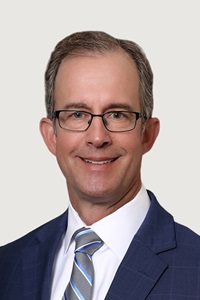
Former U.S. Attorney
 Contact Brian
629 W. Main Street
Oklahoma City, OK 73102
405-504-3811
Healthcare fraud allegations are serious issues for medical professionals, providers, or health care organizations to face in Norman, Oklahoma. If you do not invoke your rights during the healthcare fraud investigation by the Department of Health and Human Services or other law enforcement agencies, it can increase the odds that evidence is discovered of an intent to defraud the insurance program. This can lead to criminal charges being filed against you. However, even accidentally overcharging an insurance program can lead to the insurer demanding recoupment and potentially taking further actions to ensure that it does not happen, again. This can hamstring your business and may even lead to program exclusion.
Defending your rights and interests during this time is essential. The Norman healthcare fraud defense attorneys at the national law firm Oberheiden P.C. are former federal prosecutors and have represented numerous health care providers across the country, including in Norman, Oklahoma. With our experience and thorough understanding of the process, our Medicaid fraud attorneys know how to best navigate through an allegation of Medicare or Medicaid fraud and have built a track record of successes for our clients.
Two General Ways for Healthcare Fraud to Happen
Broadly speaking, there are two different ways to commit fraud on federal health care programs in the U.S.:
- Billing overcharges
- Fraudulent referrals
Each one can lead to substantial liability for the medical providers or professionals who do them.
Fraudulent Billing
When an insured patient receives Medicaid services, the provider will send the bill to the insurance company. What goes on that bill, though, might not accurately reflect the healthcare services that were provided. If the amount billed is higher than it should be, there can be a problem.
In most cases, the discrepancy between the services provided and the amount on the bill is the result of negligence. People make mistakes and billing is no exception. Just because these are billing errors, though, does not mean that the insurer is not without recourse. They can still demand repayment of the overcharges and take further action against the provider through an internal, administrative process.
Sometimes, though, the discrepancy found by Medicaid Fraud Control Units is deliberate. Medical providers are aware of the potential for inflating their bottom line through deceptive billing techniques. When they use those techniques, though, their intent to defraud the insurance program amounts to a criminal offense of healthcare fraud. Just a couple of these techniques include:
- Upcoding, where the medical provider uses a similar, but more expensive, code on the bill than the one that accurately describes procedure or service that was actually provided
- Unbundling, where the medical provider takes a bunch of services that are typically billed together and at a discount, and bills for each one individually and at its normal price
- Phantom billing, where bills are submitted to insurers for medical care that never happened, for patients that do not exist, or for medical professionals that do not work for the medical provider
- Billing for unnecessary medical services, where a healthcare provider treats a patient for a problem that did not need to be fixed and then bills the patient’s insurer for it
These and other forms of billing discrepancies can lead to criminal allegations of healthcare fraud if there is evidence of an intent to defraud the insurance program.
Fraudulent Referral Practices
Referral fraud can also lead to civil or even criminal allegations of healthcare fraud. There are two big types of fraudulent referrals:
- Taking kickbacks from a medical provider in exchange for making the referral
- Referring patients to a medical provider in which you have a financial stake
Both of these practices are prohibited by federal law.
Put our highly experienced team on your side

Dr. Nick Oberheiden
Founder
Attorney-at-Law

Lynette S. Byrd
Former DOJ Trial Attorney
Partner

Brian J. Kuester
Former U.S. Attorney
Hon. Kevin McCarthy
55th Speaker, U.S. House of Representatives (ret.)
Government Consultant

Mike Pompeo
Of Counsel
Former U.S. Secretary of State
John W. Sellers
Former Senior DOJ Trial Attorney
Linda Julin McNamara
Federal Appeals Attorney

Nicholas B. Johnson
Former Prosecutor
Roger Bach
Former Special Agent (DOJ)

Chris J. Quick
Former Special Agent (FBI & IRS-CI)
Michael S. Koslow
Former Supervisory Special Agent (DOD-OIG)
Ray Yuen
Former Supervisory Special Agent (FBI)
Numerous Federal Laws Cover Healthcare Fraud
Because the federal government is one of the largest providers of healthcare insurance, through programs like Medicare, Medicaid, and Tricare, it should come as no surprise that there are numerous federal laws that prohibit deceptive billing and referral practices.
When it comes to fraudulent referrals, the three most important federal statutes are the:
- Anti-Kickback Statute (42 U.S.C. § 1320a-7b(b))
- Eliminating Kickbacks in Recovery Act (EKRA) (18 U.S.C. § 220)
- Stark Law (42 U.S.C. § 1395nn)
The first two cover kickbacks. The Anti-Kickback Statute even makes violations a felony offense.
The Stark Law prohibits self-referrals to companies in which you have a financial interest. However, there are numerous safe harbors and exceptions that may allow you to make such a referral. What that said, though, the Stark Law is a strict liability offense. This means you can face civil liability for violating the law, even if you legitimately thought that you were complying with it, and even if you took extensive steps to ensure compliance.
Billing fraud and errors are covered by other federal laws. The most common one that federal investigators and regulators use is the False Claims Act (31 U.S.C. §§ 3729 – 3733). This law forbids knowingly making a false claim for reimbursement from the government. While the law covers all claims for reimbursement, from defense contracting to welfare benefits, it is frequently used to pursue civil liability for billing overcharges against Medicare, Medicaid, or Tricare because it carries treble damages. If you are found liable under the False Claims Act, the financial penalties include a repayment of three times what the billing errors obtained.
If evidence shows that there was an intent to defraud the insurance program, the case is likely to get referred to the U.S. Department of Justice for a criminal charge under 18 U.S.C. § 1347. Convictions carry up to 10 years in prison.
Frequently Asked Questions About Oberheiden P.C. and Healthcare Fraud Law
What is the Difference Between Criminal, Civil, and Administrative Enforcement?
There are three basic differences between the criminal, civil, and administrative enforcement of healthcare fraud cases:
- Level of intent
- Standard of proof
- Penalties of an adverse outcome
To be prosecuted as a crime, healthcare fraud generally requires a showing that you acted with the specific intent of defrauding the insurance program. That showing has to satisfy a jury beyond a reasonable doubt. If it does, and the other elements of the offense are also proven, you will be convicted. The penalties that you face will also include prison time, probation, and the collateral consequences of the criminal conviction, such as negative publicity and a suspension or revocation of your medical license.
Civil cases do not generally require a specific intent to defraud an insurer. The False Claims Act, for example, only requires knowingly submitting false claims for reimbursement. However, you can generally be held civilly liable for healthcare fraud by a preponderance of the evidence – a much lower standard of proof. While the penalties will not include prison time or the collateral consequences of a conviction, the financial repercussions can still be extremely high.
Administrative cases do not go through the court system, do not require any level of intent, and often have an informal standard of proof. They generally begin with a private insurer or the Centers for Medicare and Medicaid Services (CMS) informing you that overcharges were detected and that recoupment would be pursued. The penalties are generally limited to the amount of the overcharges, though the insurer may also take additional actions to protect itself from future billing errors, such as by requiring prior approval of subsequent bills before payout, or even excluding you from the program entirely.
Who Does Oberheiden P.C. Represent?
Oberheiden P.C. represents medical providers and professionals of all sorts in healthcare fraud cases. A few examples are:
- Clinics
- Hospitals
- Doctors
- Nurses
- Medical coders
- Dentists
- Dental offices
- Surgeons
- Pharmacies
- Pharmacists
As a national law firm, we have helped companies and individuals like these protect themselves during this precarious time.
What Sets You Apart from Other Healthcare Fraud Defense Firms in Norman, Oklahoma?
There are several things that set Oberheiden P.C. apart from other law firms that defend against healthcare fraud allegations.
The most important, though, is the fact that Oberheiden P.C. only employs senior-level attorneys and investigators. This does not just mean that all of our lawyers at experienced, though. It also means that all of the work that is performed on your case will be done by one of those experienced lawyers. Most other law firms delegate the vast majority of the legwork on a case to junior associates or even to paralegals. We cannot do that because we do not have any. That way, you can rest assured that every aspect of your case is being handled by the lawyers whose experience drew you to Oberheiden P.C. in the first place.
Why Don’t You Call Your Firm the Best?
While we have an unparalleled track record of successes in healthcare fraud defense and a roster of exceptionally qualified lawyers and investigators, we still think that claims like these are more meaningful when made by our prior clients. You can read their testimonials here.
Norman Healthcare Fraud Lawyers at Oberheiden P.C. Serve Medical Providers and Professionals
Healthcare fraud is an extremely complicated area of law, particularly when it comes to the practical differences in how government-funded insurance programs and private insurance programs investigate suspected fraud. Medical professionals and providers in Norman, Oklahoma, should strongly consider hiring an experienced Medicare fraud lawyers as soon as they learn that they are under investigation. With the legal guidance of a Norman healthcare fraud lawyer, an internal investigation can determine the amount of legal exposure that the company has. From there, a defense strategy can be formed that takes into account the specific facts of your case and your interests.
Call the healthcare fraud defense lawyers at Oberheiden P.C. at (888) 680-1745 or contact them online to get started on your case.
