

















Seattle Healthcare Fraud
Healthcare Fraud Defense in Seattle
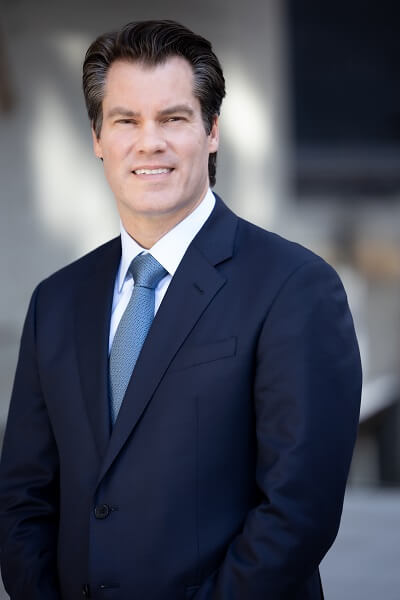
Seattle Healthcare Defense Team Lead
 Contact Nick
9030 35th Avenue SW Suite 100
Seattle, WA 98126
888-680-1745
Healthcare fraud investigations involving the U.S. Department of Justice (DOJ), Centers for Medicare and Medicaid Services (CMS), and other agencies can lead to financial penalties, program exclusion, and even federal imprisonment. Our firm brings over 100 years of combined experience to defending Seattle healthcare providers against the government. Contact our Seattle healthcare fraud defense lawyers to discuss your situation.
For healthcare providers in Seattle, Washington, the dangers of federal healthcare fraud charges are very real. Allegations of overbilling Medicare, Medicaid, Tricare, and other government benefit programs can lead to civil or criminal prosecution. If convicted, providers can face huge financial penalties and the potential for years, if not decades, behind bars. Investigators and prosecutors on task forces like the Medicare Fraud Strike Force pursue charges against providers suspected of fraud, waste, and abuse. Providers named in federal investigations must act swiftly to protect themselves against additional actions.
How big are the risks? In a civil case only involving charges under the False Claims Act (most cases will involve multiple charges under a variety of federal statutes), providers can face:
- Recoupments,
- Treble (triple) damages,
- Fines of approximately $21,000 per false claim, and
- Loss of federal healthcare benefit program eligibility.
In a criminal case:
- Fines up to $250,000 for individuals, or $500,000 for businesses, and
- Prosecutors can seek up to five years of federal imprisonment for each individual offense.


If your healthcare business or medical practice is being targeted in a federal fraud investigation in Seattle, you must present a strategic defense. If the investigative process continues, prosecutors will keep working until they find enough evidence to file charges. They will prosecute you to the fullest extent of the law. While few healthcare providers expect to get the federal government’s attention, and fewer still believe they have done something wrong. The reality is that our nation’s healthcare laws creates risk even for providers who unwittingly commit billing violations. Do you need a law firm that can provide a strategic defense? Call Oberheiden, P.C and speak to a proven healthcare fraud lawyer for free.
Strategic Defense for Seattle Healthcare Providers Accused of Fraud
At Oberheiden, P.C., we focus our practice on representing clients in healthcare fraud investigations and prosecutions. We have a legal team that includes former senior DOJ prosecutors. They are highly experienced in how the “other side” thinks. This is because they have worked for the other side. We have a client list that includes:
- Licensed practitioners,
- Healthcare business owners and executives,
- Physician-owned entities,
- Hospitals and other medical facilities,
- Pharmacies,
- Hospices, and home health agencies, and
- Durable medical equipment (DME) companies, and others.
We offer experience and insights into successfully defending our clients against healthcare fraud allegations. From audits and investigations to criminal trials and appeals, we do it all. Plus, we have a notable record of success at each stage of the process.
 During your case, you will work closely with attorneys on our healthcare fraud defense team. With our team approach, each of our attorneys plays a role in every case we handle. This ensures that each client receives the very best legal representation we have to offer. On our healthcare fraud defense team is Dr. Nick Oberheiden. Dr. Oberheiden is our firm’s founder and Managing Partner. He represents healthcare professionals across the nation with extensive and in-depth knowledge of Medicare billing regulations and healthcare fraud defense strategies.
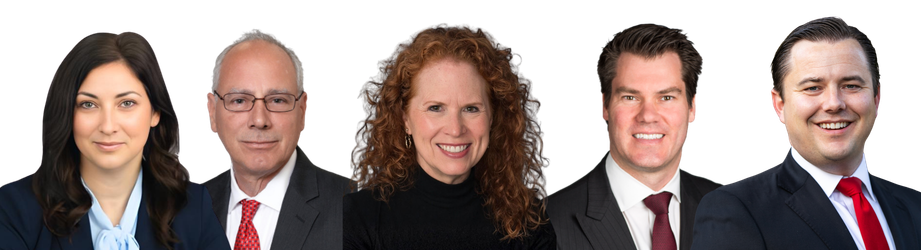
Meet the rest of your attorneys at Oberheiden, P.C.
“Our companies have worked with firms all over the country within various specialties and now use [Oberheiden, P.C.] almost exclusively. Nick represented our companies in some federal law investigations. His guidance and expertise allowed us to continue to concentrate on our core business as he dealt with the complex legal issues.” – Healthcare Provider, Firm Client
“Dr. Oberheiden has successfully represented our company in various federal health matters involving the OIG, the Department of Labor, and the Department of Health and Human Services. Dr. Oberheiden quickly understands all issues and is able to convincingly present the client’s side of the story. From my experience with other lawyers, should we ever need legal help, the first thing our company will do is to call Dr. Oberheiden.” – Healthcare Provider, Firm Client
Founder Attorney-at-Law Former DOJ Trial Attorney Partner Former U.S. Attorney 55th Speaker, U.S. House of Representatives (ret.) Government Consultant Of Counsel Former U.S. Secretary of State Former Senior DOJ Trial Attorney Federal Appeals Attorney Former Prosecutor Former Special Agent (DOJ) Former Special Agent (FBI & IRS-CI) Former Supervisory Special Agent (DOD-OIG) Former Supervisory Special Agent (FBI)Put our highly experienced team on your side
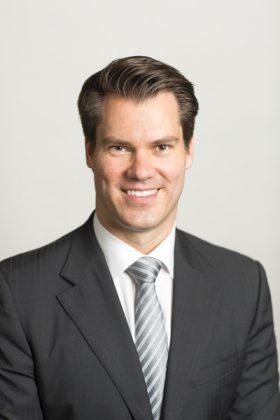
Dr. Nick Oberheiden

Lynette S. Byrd
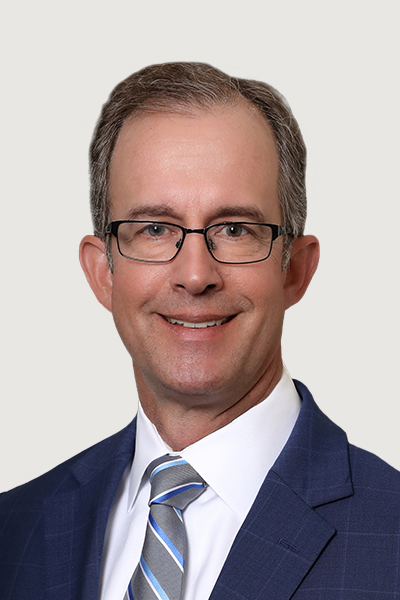
Brian J. Kuester

Hon. Kevin McCarthy

Mike Pompeo
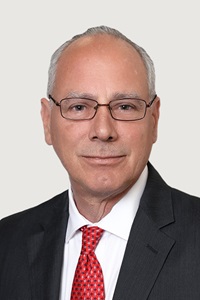
John W. Sellers

Linda Julin McNamara

Nicholas B. Johnson

Roger Bach

Chris J. Quick
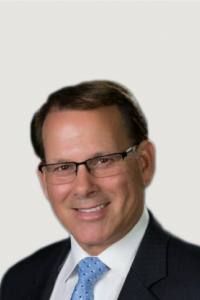
Michael S. Koslow

Ray Yuen
Skilled Seattle Healthcare Fraud Defense Lawyers for All Healthcare Fraud Matters
We rely upon our skill to effectively represent individuals and corporate clients in all healthcare fraud matters. Our attorneys have extensive experience in matters including, but not limited to:
- Whistleblower Claims (qui tam defense)
- Letters from the U.S. Attorney’s Office
- Civil Investigative Demands (CIDs)
- Grand Jury Subpoenas
- Department of Health and Human Services Office of Inspector General (OIG) Subpoenas
- Requests for Depositions and Subpoenas to Testify in Court
- Medicare and Medicaid Audits
- Centers for Medicare and Medicaid Services (CMS) and State Licensing Board Matters
- DEA and Prescription Investigations
We handle healthcare fraud investigations and prosecutions involving all substantive legal issues, such as those listed below.
Billing and Coding Fraud
All providers who bill Medicare, Medicaid, Tricare, and other federal healthcare benefit programs must comply with the programs’ billing and coding requirements. Coding errors, even absent intention, constitute “fraud” under federal law. They can subject providers to severe financial penalties and other consequences. Some of the most common allegations against providers accused of billing and coding fraud include:
- Double-billing a single benefit program, billing multiple programs for the same service, or billing a benefit program and a private insurer
- Billing for “non-allowable” costs such as operational expenses, or billing for services provided by unlicensed or excluded practitioners
- Billing for services, supplies, and equipment at their stand-alone reimbursement rates instead of the “bundled” rates provided for under the applicable program regulations (referred to as “unbundling”)
- Billing for services, supplies, and equipment at a higher rate than specified under the applicable program regulations (referred to as “up-coding”)
- Billing for services, supplies, and equipment that have not actually been purchased or provided to patients (referred to as “phantom billing”)
Providers facing suspicion of billing and coding fraud should not assume the government’s allegations are true. While some federal agents and prosecutors are experts in Medicare, Medicaid, and Tricare billing regulations, they can make mistakes. Adding to the confusion is that regulations change over time. Maybe a claim your office submitted months ago complied with then-current regulations even though it would be considered non-compliant today. Maybe a reimbursement request which appears fraudulent based on data analysis is really legitimate given the unique aspects of your business or practice. There are numerous potential defenses to allegations of billing and coding fraud. To build an effective defense, you need to get in front of the government’s investigation.
Illegal Kickbacks, Referral Fees, and Physician “Self-Referrals”

Click image
to see larger version.
Generally, it’s unlawful to use program-reimbursed funds to pay referral fees, kickbacks, and other forms of payment in connection with providing healthcare services or, purchasing or leasing equipment, facilities, or supplies. The Anti-Kickback Statute and Stark Law contain broad restrictions against these types of transactions and financial connections, and allegations of offering, soliciting, paying, and accepting illegal forms of remuneration are common in comprehensive healthcare fraud investigations.
The Anti-Kickback Statute applies to all healthcare providers, and it prohibits any and all forms of compensation. This includes:
- Cash payments
- Discounts for services, supplies, or equipment
- Free or below fair market value use of clinical space, equipment, or staff
- In-kind gifts
- Marketing commissions
- Payments to family members
Unlike the Anti-Kickback Statute, the Stark Law is specific to physicians and entities with which they have a direct or indirect compensation or investment relationship. It also only applies to referrals for “designated health services,” which include:
- Clinical laboratory services
- DME and medical supplies
- Home health services
- Imaging
- Inpatient and outpatient hospital services
- Outpatient pathology
- Outpatient prescriptions
- Parenteral and enteral nutrients, equipment, and supplies
- Physical therapy
- Prosthetics, orthotics, and related supplies
- Radiology and radiological therapy
The Anti-Kickback Statute and Stark Law contain broad bans on compensation arrangements involving payment of program-reimbursed funds. But, they are subject to numerous safe harbors and exceptions that protect a variety of transactions. In Anti-Kickback Statute and Stark Law investigations, our Seattle healthcare fraud defense lawyers’ focus is often on showing that one (or more) of these safe harbors or exceptions applies. Some of the safe harbors and exceptions most commonly used by physicians, clinics, and other providers include protecting:
- Arrangements with hospitals
- Cooperative health service organizations
- Discounts and price reductions
- Group purchasing organizations
- In-office ancillary services
- Indirect compensation arrangements
- Isolated transactions
- Non-monetary compensation
- Personal service arrangements
- Rentals for office space and equipment
“False and Fraudulent” Claims
Billing and coding violations, kickbacks, and physician self-referrals can all be prosecuted as “false and fraudulent” claims under the False Claims Act (FCA). The FCA prohibits any and all improper requests for payment from the government. And, it imposes both civil and criminal penalties. Other common allegations against healthcare providers under the False Claims Act include:
- Billing for medically-unnecessary services, supplies, and equipment. To be eligible for compensation, a service, supply, or piece of equipment must meet the relevant program’s definition of medical necessity. If a service or item is deemed medically-unnecessary under the applicable program guidelines (even if it may have been reasonably necessary within the course of patient care), billing for the service or item can trigger FCA liability.
- Submitting reimbursement requests based upon falsified patient records. Prosecutors often take action against providers who they believe falsified patient data in connection with a request for Medicare, Medicaid, or Tricare payment. If you (or someone within your business or practice, such as a billing administrator) has been accused of falsifying records, you must tailor your defense strategy to combat these allegations.
Prescription Drug Fraud
Prescription drug fraud investigations targeting physicians, pharmacists, clinics, and other providers and facilities often involve multiple federal agencies and the potential for severe charges under a variety of federal statutes. The DOJ formed an Opioid Fraud and Abuse Detection Unit comprised of agents and prosecutors who are specifically tasked with targeting providers suspected of contributing to opioid abuse and dependence. Compound pharmacy fraud has been a major focus of the federal government’s anti-fraud enforcement efforts as well. Our defense attorneys and former federal prosecutors have extensive experience in prescription drug fraud cases involving allegations like:
- Dispensing more medication than was prescribed
- Drug shorting and refill schemes
- Falsifying and forging prescriptions
- Illegally importing prescription medications
- Prescribing drugs that are medically-unnecessary
- Prescribing medications without an in-person exam
- Prescription drug diversion
- Selling fraudulent prescriptions
Home Health and Hospice Fraud
The home health and hospice care sectors have seen more attention from federal authorities in recent years as well. While these investigations can involve all the substantive matters discussed above, they often involve two issues that are unique to home health and hospice care:
- Physician Certification Fraud – Before starting treatment, home health agencies and hospices must obtain physician certifications. They must also obtain recertifications for their patients every 60 days. Common allegations in these cases include falsifying and forging certifications, offering kickbacks and referral fees to certifying physicians, and seeking certifications from physicians other than patients’ primary care providers.
- Election Statement Fraud – In addition to obtaining physician certifications, hospices must also obtain election statements from their patients. Failing to notify patients of their rights, and the fact that electing for hospice care can waive certain of these rights, can lead to allegations of election statement fraud. Other activities such as forging patients’ signatures, backdating election statements, failing to keep adequate records, and refusing to accept patients’ election revocations can lead to these allegations as well.
Seattle Healthcare Fraud Defense: Answers to Frequently-Asked Questions (FAQs)
If you have received an inquiry regarding your Medicare, Medicaid, or Tricare billings, or any other aspect of your healthcare business or medical practice, it is important to speak with a Seattle healthcare fraud defense lawyer right away. You need to respond properly, but in order to do so, you need to know the answers to questions like:
- Why is the government looking into your business or practice?
- What type of inquiry have you received (i.e., was it a letter or civil investigative demand (CID))?
- Is the government’s inquiry civil or criminal in nature?
- How long has your business or practice been under investigation?
- What is the scope of the allegations against you, and what are the potential ramifications?
When we represent clients in healthcare fraud investigations, our first steps is to intervene. We need to obtain answers to the questions listed above. With this information, we can begin to help our clients make informed decisions about protecting their legal rights.
Q: What do I need to know about facing an investigation under the False Claims Act?
If your business or practice is targeted for alleged healthcare fraud, any charges will most likely include civil or criminal charges under the False Claims Act. To learn more about the risks of being prosecuted under the FCA, you can read:
Q: What factors should you consider when choosing a healthcare fraud defense attorney in Seattle?
When choosing an attorney, or team of attorneys, to represent you, the two most important factors are experience and prior results. While prior results do not guarantee future outcomes, a significant record is still highly relevant to choosing the attorney you need. For more considerations, we encourage you to read: Defending Healthcare Fraud: Choosing the Right Lawyer. Choose wisely. Hire one of our skilled and winning Seattle health care fraud defense lawyers.
Contact our Seattle Healthcare Fraud Defense Lawyers at Oberheiden, P.C.
If your Seattle healthcare business or medical practice is under investigation by the DOJ, OIG, DEA or another federal agency or task force, we encourage you to contact us promptly for a free initial consultation. To speak with the Seattle healthcare fraud defense attorneys on our fraud defense team in confidence, please call 888-680-1745 or request a case assessment online now.
This information has been prepared for informational purposes only and does not constitute legal advice. While this information may constitute attorney advertising in some jurisdictions, merely reading this information does not create an attorney-client relationship. Every case is different, any prior result described or referred to herein cannot guarantee similar outcomes in the future. Oberheiden, P.C. is a Texas limited liability partnership with its headquarters in Dallas, Texas. Mr. Oberheiden limits his practice to federal law.